Choosing Durable Turf for Heavy-Use Areas
What to look for when foot traffic is constant
Artificial grass is no longer just a decorative surface. For many homeowners, it is the primary ground cover for backyards, play areas, and pet runs where people and animals are on it every day. Standard synthetic turf can hold up well under light use, but when you have children running, dogs digging, or furniture being moved around, the material needs to be built for more than just good looks. The difference between a lawn that stays neat for years and one that flattens or shows wear within months often comes down to a few specific construction details.
When you are shopping for a surface that will see daily activity, you want a product with a dense, resilient structure. The yarns should be able to spring back after being compressed, and the backing must hold together under repeated stress. Many people assume that any artificial grass will work the same way, but the reality is that products vary widely in how they handle constant pressure. A surface designed for light foot traffic will eventually mat down in the paths where people walk most often, leaving visible trails through the lawn.
Key construction factors that affect durability
Pile height and face weight
Two of the most important specifications to understand are pile height and face weight. Pile height is the length of the grass blades from the backing to the tip. A taller pile, typically around 1.5 to 2 inches, gives a more natural look and feels softer underfoot. But taller blades also need more support to stay upright. If the face weight - the total weight of the yarn per square yard - is too low for the pile height, the blades will bend and flatten over time. For heavy-use areas, you generally want a face weight of at least 60 ounces per square yard, and often higher for pet turf or play areas where the surface gets a lot of abrasion.
That said, a very high face weight can make the turf feel stiff and retain more heat. You have to balance durability with comfort and practicality. A turf with a moderate pile height and a dense thatch layer underneath is often a better choice than a super-long pile that requires constant brushing to keep it looking right. The thatch layer, which is a shorter, darker set of blades at the base, helps the longer blades stand up and hides the backing from view. This design is common in landscaping synthetic grass meant for high traffic.
Infill material and its role
Infill is the granular material that gets brushed into the turf after installation. It does more than just weigh the grass down. Infill helps the blades stay vertical, provides cushioning underfoot, and protects the backing from UV rays and wear. For high-traffic areas, the type and amount of infill matter a lot. Silica sand is the most common and affordable option, but it can compact over time, making the surface harder. A mix of sand and rubber or a coated sand product often gives better resilience and stays softer longer.
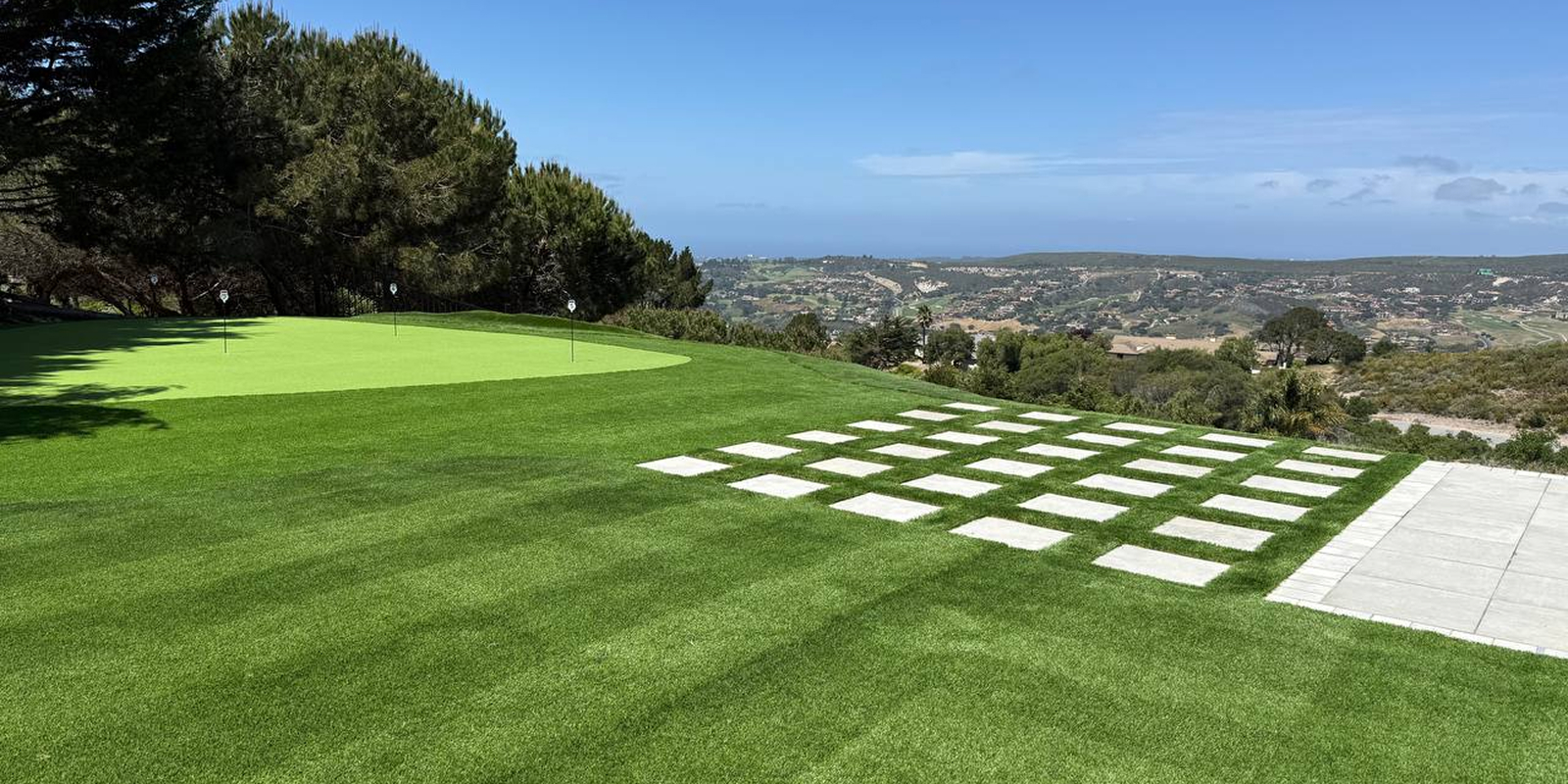
Some newer infill options are designed specifically for pet areas, using materials that resist odor and drain quickly. If dogs will be using the space regularly, you want an infill that does not hold moisture or bacteria. Cleanliness and drainage become just as important as durability. A good drainage system underneath the turf, with a permeable backing and a properly prepared base, ensures that water does not pool on the surface. Standing water can break down the infill and the backing faster than foot traffic ever could.
Backing construction and stitch density
The backing is what holds all the individual tufts of grass in place. There are two main types: woven polypropylene and a layered composite that includes a secondary coating for extra stability. For heavy-use areas, a double-layer backing with a urethane coating is much tougher than a single-layer one. The urethane coating bonds the tufts more securely, so they are less likely to pull out when a dog digs or when kids slide across the lawn.
Stitch density, measured in stitches per inch, also tells you how tightly the yarn is packed. Higher density means more blades per square inch, which naturally resists matting better because there is more material to share the load. A turf with 15 or more stitches per inch is generally good for residential use, but for truly constant traffic you might want to look at even denser weaves. Keep in mind that very high density can reduce drainage speed, so check that the product has adequate perforations in the backing if you live in a rainy climate.
Special considerations for pet areas and play zones
When the heavy use comes from animals, you have extra factors to consider. Pet turf is a specific category within artificial grass that addresses the unique demands of dogs. It typically has a shorter pile height so that urine can drain through quickly and solids are easier to pick up. The backing is often made with a tighter weave to prevent liquids from seeping into the base layer, and many products include antimicrobial treatments to reduce odors and bacterial growth.
For a play area where children will be running and falling, you want a surface with more cushioning. A taller pile with a soft infill, such as a blend of sand and rubber, provides a safer landing than a short, tightly packed turf. However, you also need to make sure the turf does not get too hot in direct sunlight. Some manufacturers offer light-colored yarns or reflective coatings that help keep the surface temperature lower. If you are combining a putting green grass area with a play zone, you might need to use two different turf types or find a single product that balances firmness for putting with softness for play.
In any case, you should look for a product that has been tested for heavy foot traffic. Many brands rate their turf for different use levels, from decorative to heavy commercial. A residential-grade product labeled for high-traffic artificial grass will generally have a denser face weight and a stronger backing than a standard lawn turf. It may cost more upfront, but the added longevity usually makes it a better investment for a space that sees daily use.
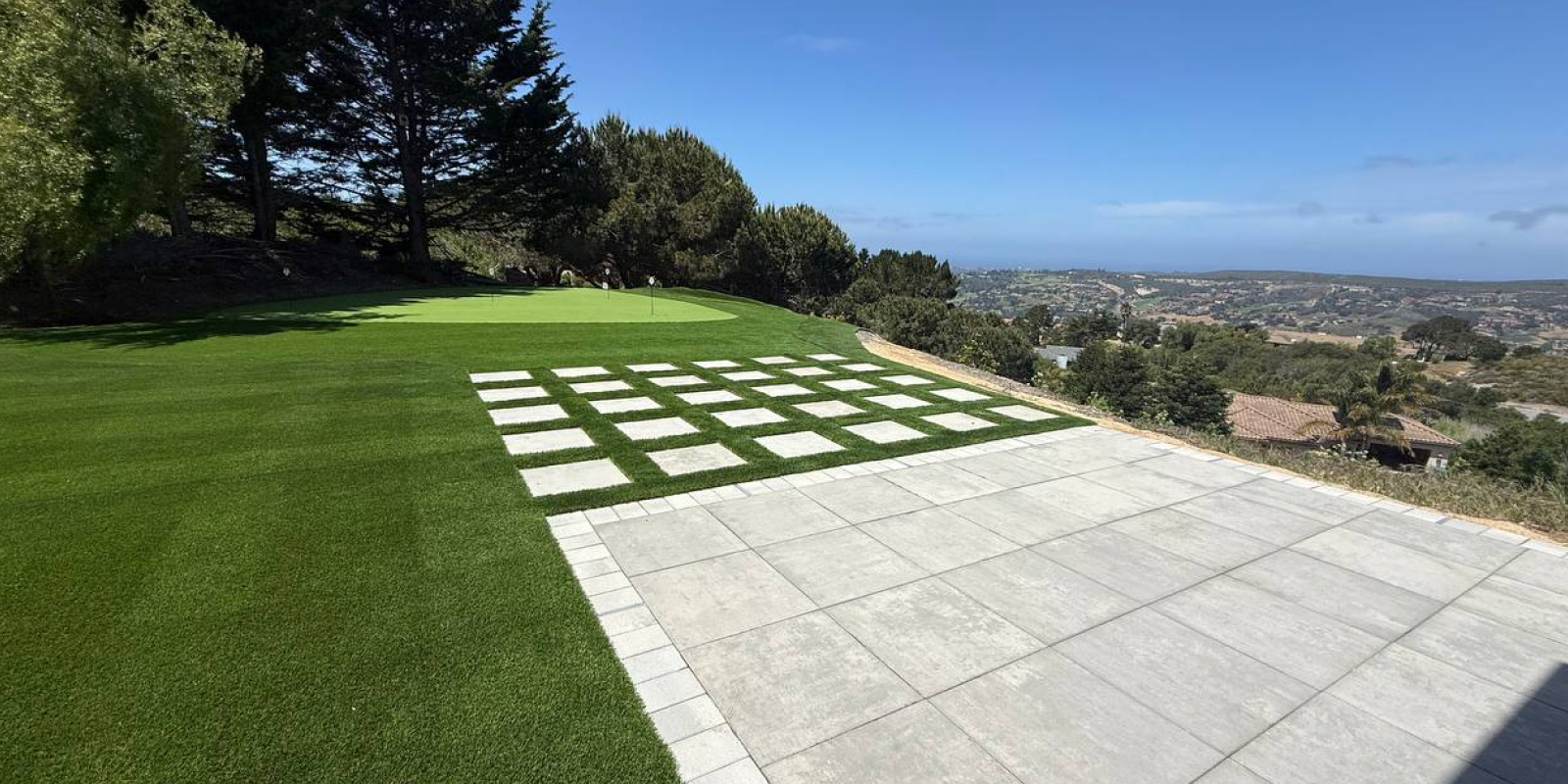
Installation matters as much as the product
Even the best turf will fail early if the base is not prepared correctly. For heavy-use areas, the sub-base should be made of crushed stone or decomposed granite, compacted to a firm, level surface. This base provides drainage and prevents the turf from developing bumps or depressions over time. A weed barrier fabric underneath the base helps stop weeds from pushing through, though some installers skip this step. If you have dogs, adding a layer of shock-absorbing padding between the base and the turf can extend the life of the grass and make it more comfortable.
Seams are another weak point in high-traffic installations. The glue and seam tape used to join two pieces of turf must be strong enough to handle pulling and stretching. A poor seam will separate within a year or two, creating an ugly gap that collects debris. Professional installers use a specialized adhesive that bonds with the backing material, and they often reinforce seams with extra nails or staples along the edges. If you are doing it yourself, take extra care with the seams, because they will take the most abuse in a busy yard.
One more detail that is often overlooked is the edge treatment. Where the turf meets a patio, walkway, or garden bed, the edge should be secured with landscape staples or a metal edging strip. Loose edges are a trip hazard and allow pets to lift the turf with their paws. A well-secured perimeter keeps the whole surface tight and flat, even when kids are running across it.
Maintenance that keeps it looking good
Heavy-use turf does require some upkeep, though far less than natural grass. You will need to brush the blades occasionally to keep them from matting down, especially in the areas where people walk most often. A stiff-bristled broom or a power brush attachment for a drill works well. For pet areas, rinsing the turf with a hose every week or two helps flush urine through the drainage layer and reduces odors. A mild detergent or a dedicated turf cleaner can be used for spot cleaning if needed.
Leaves and debris should be removed regularly, because organic matter can break down and create a layer of soil on top of the turf, which then encourages weeds. A leaf blower or a rake with flexible tines does the job without damaging the yarns. If you have trees that drop a lot of seeds or sap, you may need to clean more often during certain seasons.
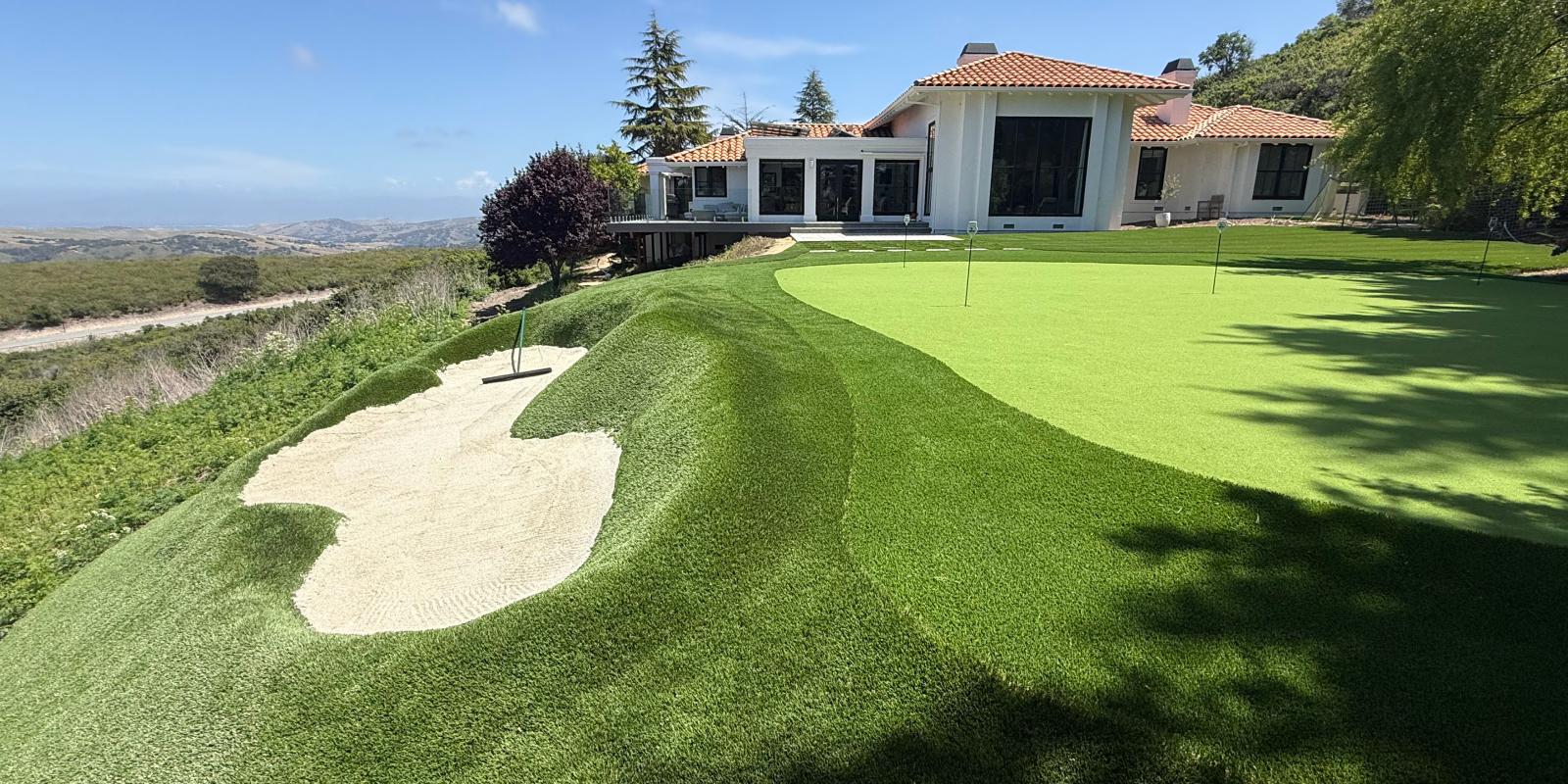
In areas with heavy snow, you should avoid using metal shovels or ice melt products that contain salt, as these can damage the turf fibers and backing. A plastic shovel or a snow blower is safer, and sand can be used for traction instead of salt. With a little care, a well-chosen high-traffic artificial grass product can stay presentable for a decade or more, even with daily use from kids, pets, and adults.
Ultimately, the right choice depends on how you plan to use the space. There is no single perfect turf for every situation, but by focusing on face weight, backing quality, infill type, and proper installation, you can find a surface that handles the traffic without looking worn out after one season. Take the time to compare specifications and ask about the product's track record in similar applications. A little research upfront saves you from having to replace the turf a few years down the road.